
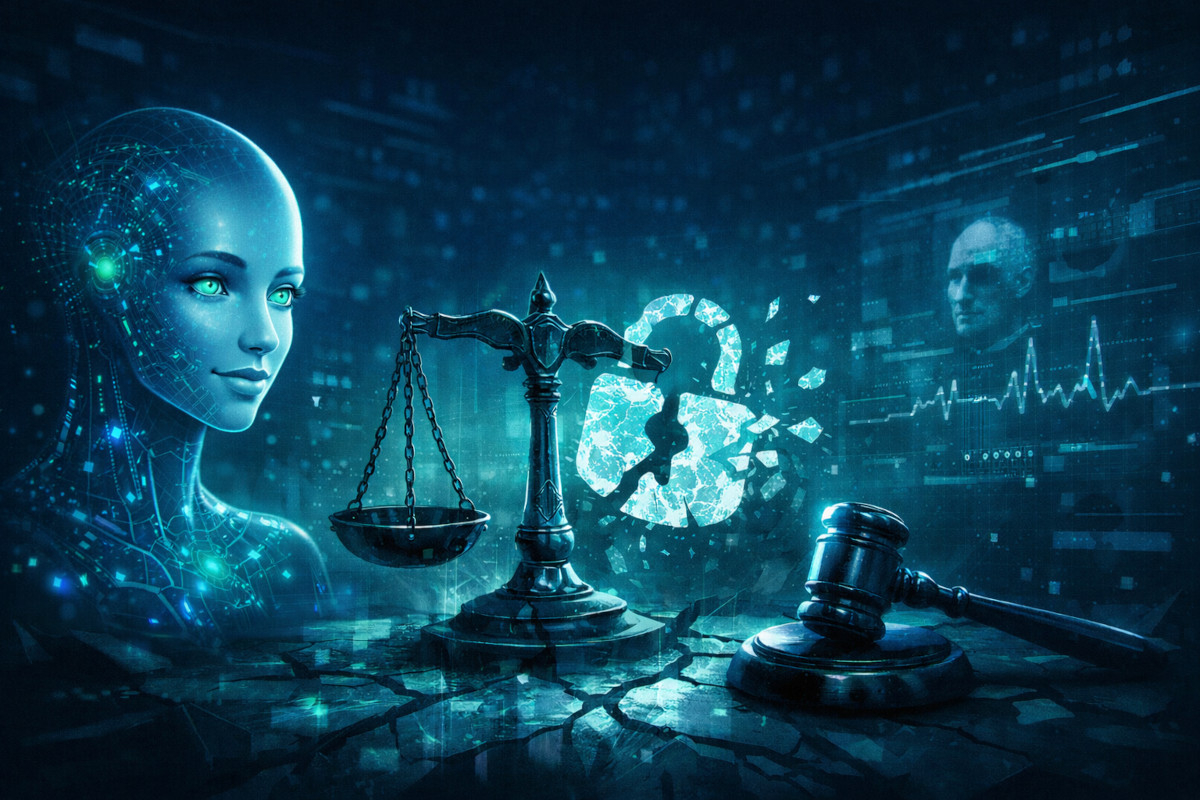
The uncomfortable truth about AI ethics: it’s all talk, no teeth.
We’ve spent years debating ethical AI frameworks, publishing guidelines, forming committees, and hosting panels about responsible AI development. Organizations pledge to respect consent, credit creators, and avoid misuse of digital identity. Yet deepfakes proliferate, AI models train on copyrighted work without permission or compensation, and digital likenesses are replicated without consequence.
Why? Because ethics without enforcement mechanisms isn’t ethics—it’s hope dressed up as policy.
The Fatal Flaw in Current AI Ethics
Current AI ethics frameworks share a critical weakness: they rely entirely on voluntary compliance. They assume good actors will do the right thing because it’s morally correct, while providing no structural impediment to bad actors doing exactly what they want.
Consider the three pillars most ethical AI frameworks claim to uphold:
- Consent – People should control how their likeness, voice, and expertise are used
- Credit – Creators deserve attribution when AI uses their work or identity
- Compensation – Fair value should flow to those whose IP powers AI outputs
These sound reasonable until you ask the critical question: How?
How does consent work when anyone can scrape your online presence to train a model? How do you enforce credit when AI outputs have no inherent attribution mechanism? How do you ensure compensation when the entire model is built around using data “freely available” on the internet?
The answer, in most current frameworks: you don’t. You hope companies will self-regulate. You expect bad actors to voluntarily limit their own capabilities out of ethical concern.
History suggests this doesn’t work.
Why Licensing is Infrastructure, Not an Afterthought
Here’s what the AI ethics community misses: licensing isn’t a legal nicety—it’s the technical infrastructure that makes ethics operational.
Think about intellectual property in music. We don’t rely on musicians trusting that people won’t steal their work. We have:
- Copyright registration systems
- Licensing frameworks (ASCAP, BMI, etc.)
- Royalty distribution mechanisms
- Technical identifiers in audio files
- Legal remedies for violations
These aren’t “nice to have” additions to music ethics. They are how music ethics works in practice.
AI needs the same infrastructure layer. Without it, all the ethical frameworks in the world are just philosophical exercises with no connection to reality.
What Real AI Ethics Looks Like
Functional AI ethics requires three technical capabilities that licensing provides:
1. Verifiable Identity and Ownership
You can’t enforce consent if you can’t verify who actually owns a digital identity. Licensing creates a registry of record—a source of truth that says “this persona, voice, or creative style belongs to this entity, and here are the terms under which it can be used.”
Without this, “consent” is meaningless. How do you consent to something when there’s no mechanism to track or enforce that consent?
2. Embedded Usage Rights and Restrictions
Licensing embeds permissions directly into digital assets. When a persona carries its license with it—across platforms, applications, and use cases—the ethics travel with the identity.
This means consent isn’t a one-time checkbox buried in terms of service. It’s a persistent property of the digital asset itself, enforced at the protocol level.
3. Automated Attribution and Compensation
Ethics frameworks love to talk about fair compensation. Licensing actually implements it. When usage rights are embedded and tracked, royalty distribution becomes automatic—not dependent on the goodwill of whoever profits from your digital identity.
The BridgeBrain Approach: Ethics as Protocol
This is why we built the Persona Licensing Framework (PLF) as fundamental infrastructure, not an optional feature.
PLF does what ethical guidelines cannot:
- Creates a global registry for verified digital identities
- Embeds consent and usage terms directly into persona definitions
- Enables automatic royalty distribution based on actual usage
- Makes ownership and attribution technically verifiable, not just aspirational
Combined with the Persona Transfer Protocol (PTP), we’re not just asking the AI industry to be more ethical. We’re building the infrastructure layer that makes ethical behavior the path of least resistance.
When personas are portable, licensed assets rather than scraped data, the entire incentive structure changes. Platforms that respect licensing get access to high-quality, verified personas. Those that don’t face both technical barriers and legal liability.
The Real Question Isn’t “Should We License?” But “Why Haven’t We?”
The music industry learned this lesson decades ago. The film industry learned it. Even software learned it, evolving from rampant piracy to sophisticated licensing models that enable both protection and innovation.
AI is simply catching up to what every other IP-intensive industry already knows: rights without enforcement mechanisms are wishes, not protections.
As billions of AI agents representing people and brands deploy across platforms, we face a choice:
Option A: Continue with voluntary ethics frameworks, hope for the best, and watch digital identity become the Wild West of the 2020s.
Option B: Build the licensing infrastructure now—creating portable, verifiable, compensated digital identities before the agent economy becomes too chaotic to govern.
At BridgeBrain, we’re betting the future chooses infrastructure over aspiration. Because in the end, the only ethics that matter are the ones you can actually enforce.
The Persona Licensing Framework isn’t about restricting AI—it’s about building the foundational layer that makes AI trustworthy, fair, and sustainable.
When consent becomes code, credit becomes automatic, and compensation becomes inevitable—that’s when AI ethics stops being broken.
Ready to build on the identity and licensing layer for AI?
Learn more about the Persona Licensing Framework or explore our SDK for developers.